Do They Speak German In Hahndorf? What To Expect On A Walking Tour
The answer on German in Hahndorf, the 1839 settler story behind the town's German character, and exactly what a guided Hahndorf walking tour covers stop by stop.
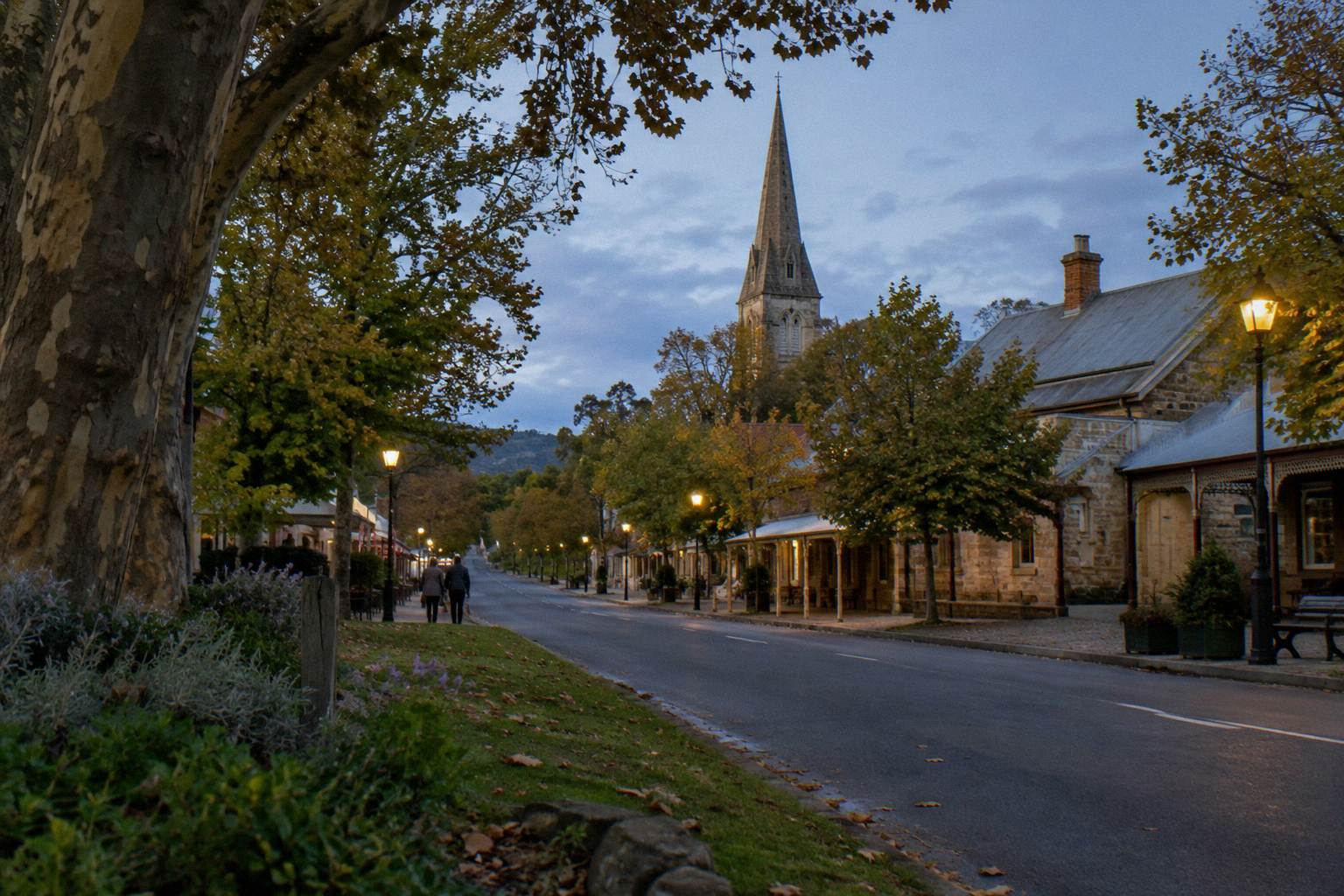
No source, official or otherwise, states whether German is spoken in Hahndorf today or what language the guided walking tour is delivered in, so the answer is that you should confirm with the operator. What the record does establish is the town's Germanic origin: founded in 1839 by Prussian settlers, it is the oldest surviving Germanic settlement in Australia. The walking tour itself spends about 1 hour 30 minutes on the German-built main street.
That single sentence about language is the only caveat carried below. Everything below is built from what the official sources and the tour booking pages do state: the founding story, the wartime rename, the walking tour's published stop list, and the practical details that help you decide whether the tour is worth your time. If you arrived here wondering whether a guide will greet you with Guten Tag, the decision framework is simple: the heritage is unambiguously German, the town's name is German, and the tour language is a question for the booking desk, addressed at the end.
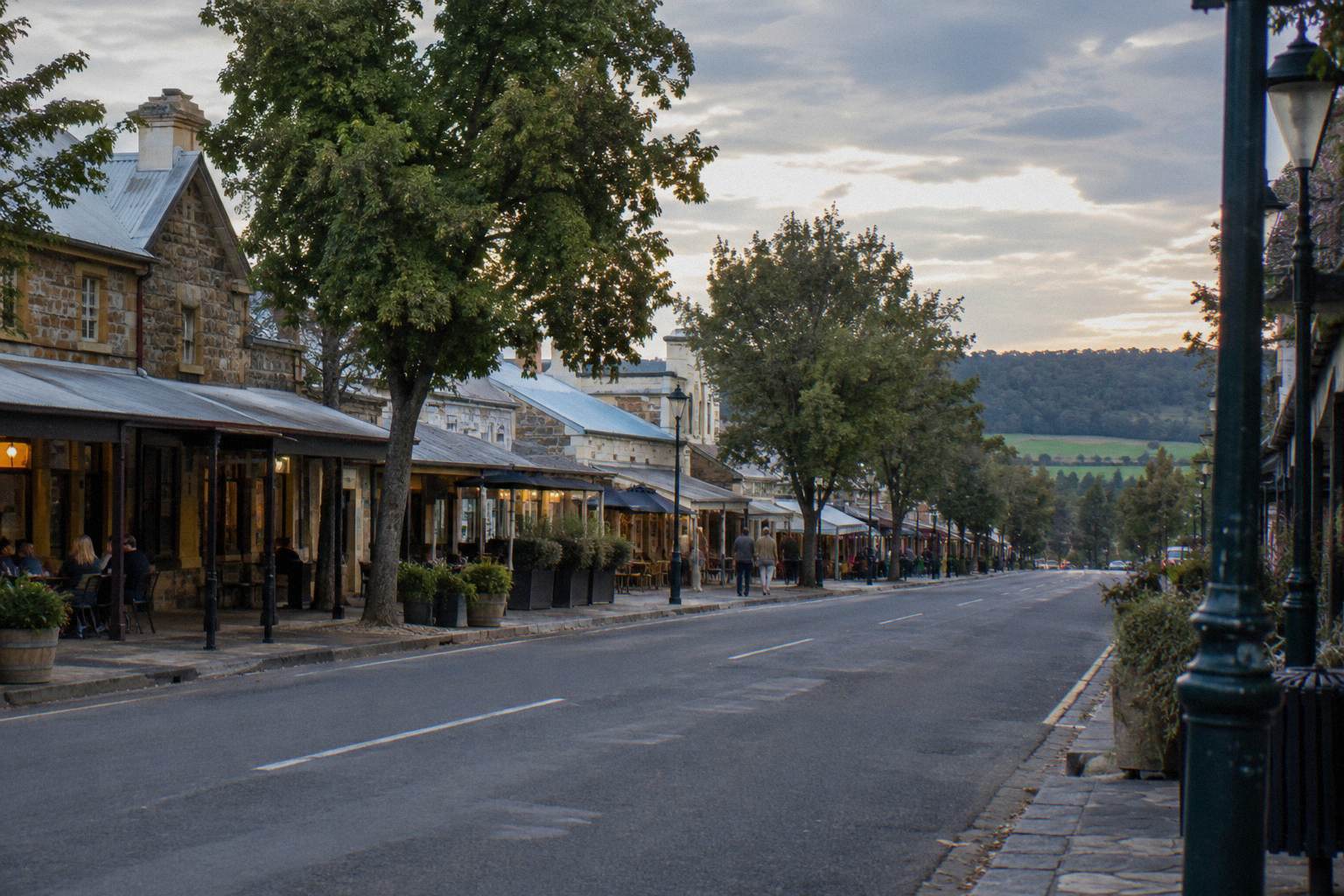
The town earns its reputation. South Australia's official tourism body describes Hahndorf as "the oldest surviving Germanic settlement in Australia," founded in 1839, and notes it was the first settlement in Australia planned specifically for non-British immigrants. That planning origin is why the main street still reads differently from almost anywhere else in the country, and it is exactly the story a walking guide has to work with. For the wider picture of what the town is known for, see what Hahndorf is famous for on a day tour.
If you are already leaning toward booking, these are the three experiences that fit a German-heritage visit best, from the short guided walk to full-day options that add the surrounding Hills:
- Half Day, Tea Or Beer Tasting
- Mount Lofty Half Day
- Bostours City Highlights Half Day
- Private Scenic Half Day
- Small-Group Day, Lunch Included
- Hidden Gems Full Day, Lunch
- Chocolate And Cheese Stops, Lunch
- Divine Wine Full Day
- Private Cleland Hills Tour
- Private Half Day Shore Excursion
- Private Shore Excursion, City Highlights
- TrailHopper Hop-On Hop-Off
- Guided Walk, Main Street
Why Hahndorf Sounds German: The 1839 Story
Prussian settlers made the journey to South Australia on a small sailing ship named the Zebra, under the command of Captain Dirk Hahn, who was a Dane, and the town founded in 1839 took his name. South Australia's tourism authority calls it the oldest surviving Germanic settlement in Australia and the first settlement in the country planned specifically for non-British immigrants.
The founding detail most visitors miss is the captain himself. Dirk Meinerts Hahn was not German or Prussian; the official record describes him as a Dane who commanded the Zebra, the ship that carried many of the Lutheran families to South Australian shores in late 1838. When the settlement was laid out the following year, it took his name rather than that of any of the settlers. So the most German-looking town in Australia is named after a Danish sea captain, a twist a good guide can make a lot of.
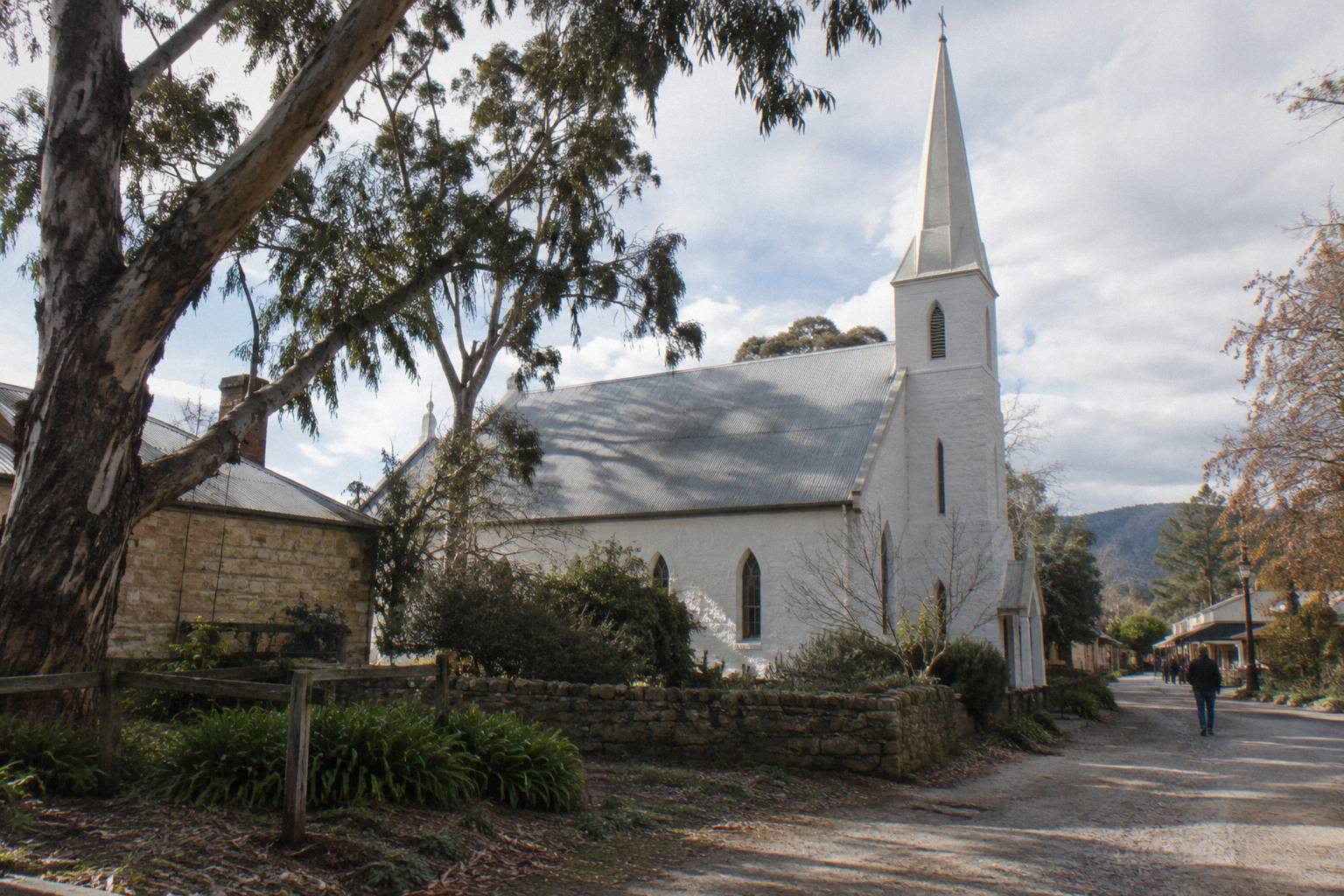
The settlement's design matters too. Because it was planned from the start for non-British immigrants, the village grew up around German building traditions, German farming strips and a Lutheran church at its centre rather than an Anglican one. That plan is why the main street still carries half-timbered facades and why the town's identity survived everything that followed, including decades when the name itself was under attack.
The attack came during the First World War. Anti-German sentiment saw the town renamed Ambleside in 1917, part of a wider sweep of wartime German place-name changes across South Australia, and it stayed Ambleside until the name Hahndorf was formally restored in 1935. A walking guide walking you down Main Street is, whether they say so explicitly or not, walking you through a town that spent nearly two decades officially pretending not to be German. That is the arc that makes the heritage story more than decoration: founded, suppressed, restored.
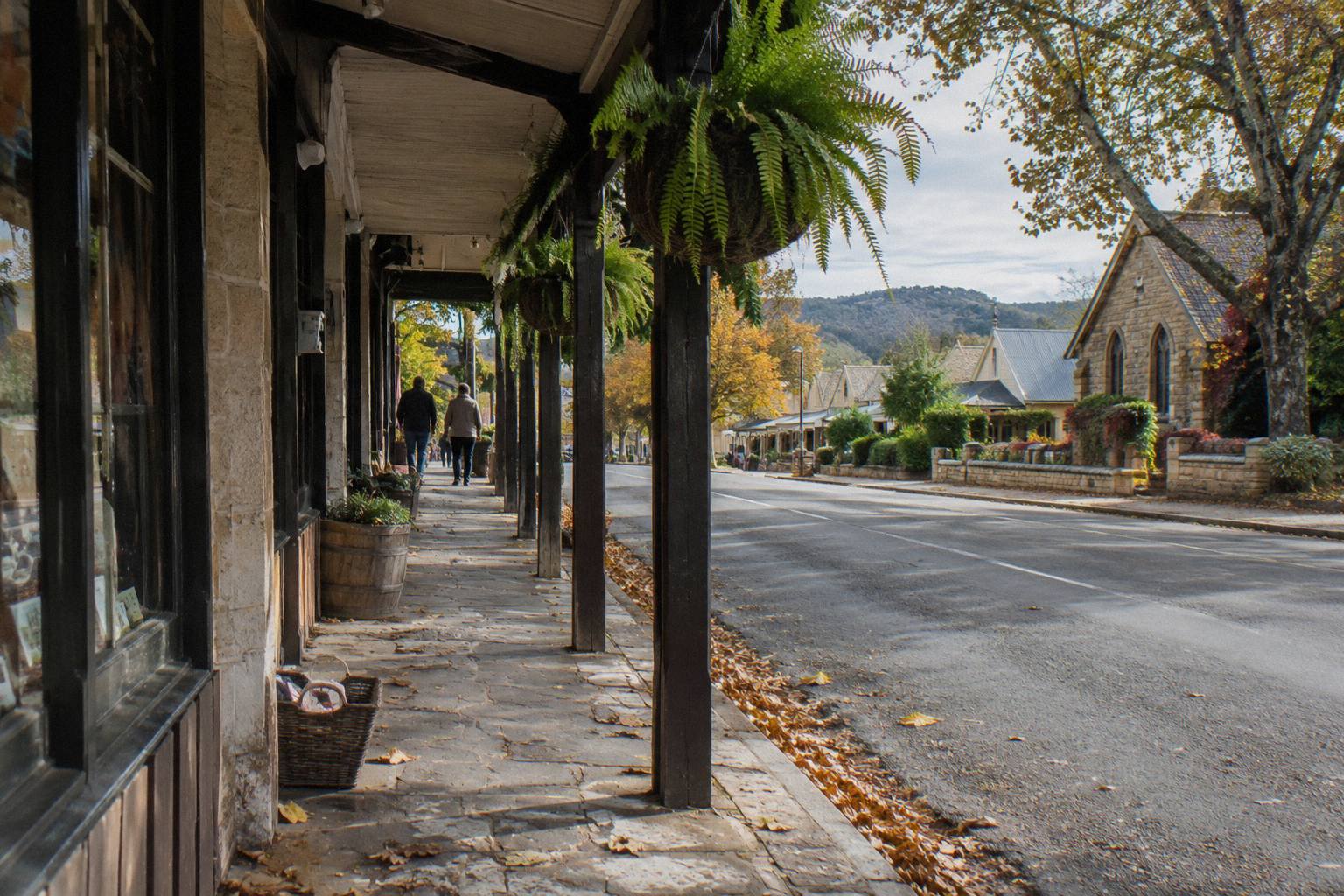
For readers who want the deeper version of this history, the guide to Hahndorf's German history on a guided tour expands on the settler story and where it shows up on the ground.
Curious whether the short walk is the right format for you before reading further?
What The Hahndorf Walking Tour Actually Covers
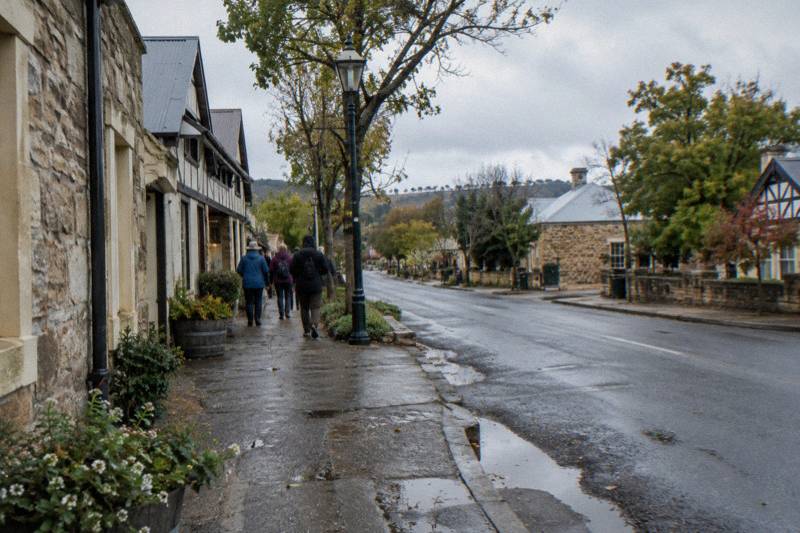
The Hahndorf Walking Tour runs about 1 hour 30 minutes, meets outside the Hahndorf Inn on Mount Barker Road, and takes up to 30 travellers through St Paul's Lutheran Church, Ophelia Cottage, the Haus Restaurant, the Hahndorf Inn and Mount Barker Road itself. Its listing also includes access to a historic Germanic farmlet on private property. No rating or review count is printed here because none is available.
The published stop list is more specific than most walking tours offer, and it is worth reading closely because it tells you where the German story is actually told. St Paul's Lutheran Church gets the longest single stop at 20 minutes with entry included, which tells you the church is treated as the centrepiece of the settlement's story rather than a photo opportunity. Ophelia Cottage, now the shop Kajute Living, takes 15 minutes. The Haus Restaurant is a 10-minute pass-by, the Hahndorf Inn another 10 minutes, and the remaining 35 minutes are spent along Mount Barker Road itself.
| Stop | Time on the itinerary | What the listing says |
|---|---|---|
| St Paul's Lutheran Church | 20 minutes | Entry included |
| Ophelia Cottage (now Kajute Living) | 15 minutes | Interior stop |
| Haus Restaurant | 10 minutes | Pass-by stop |
| Hahndorf Inn | 10 minutes | Meeting point area |
| Mount Barker Road | 35 minutes | Street walk |
One inclusion deserves careful wording, because the listing's own wording is careful. The booking page includes access to a historic Germanic farmlet on private property, and that is exactly how it should be repeated: the operator describes it as a historic Germanic farmlet, nothing more. Resist any secondhand version you might read elsewhere that attaches superlatives to it. For a broader look at the format, the overview of Hahndorf walking tour options compares what different guides cover.
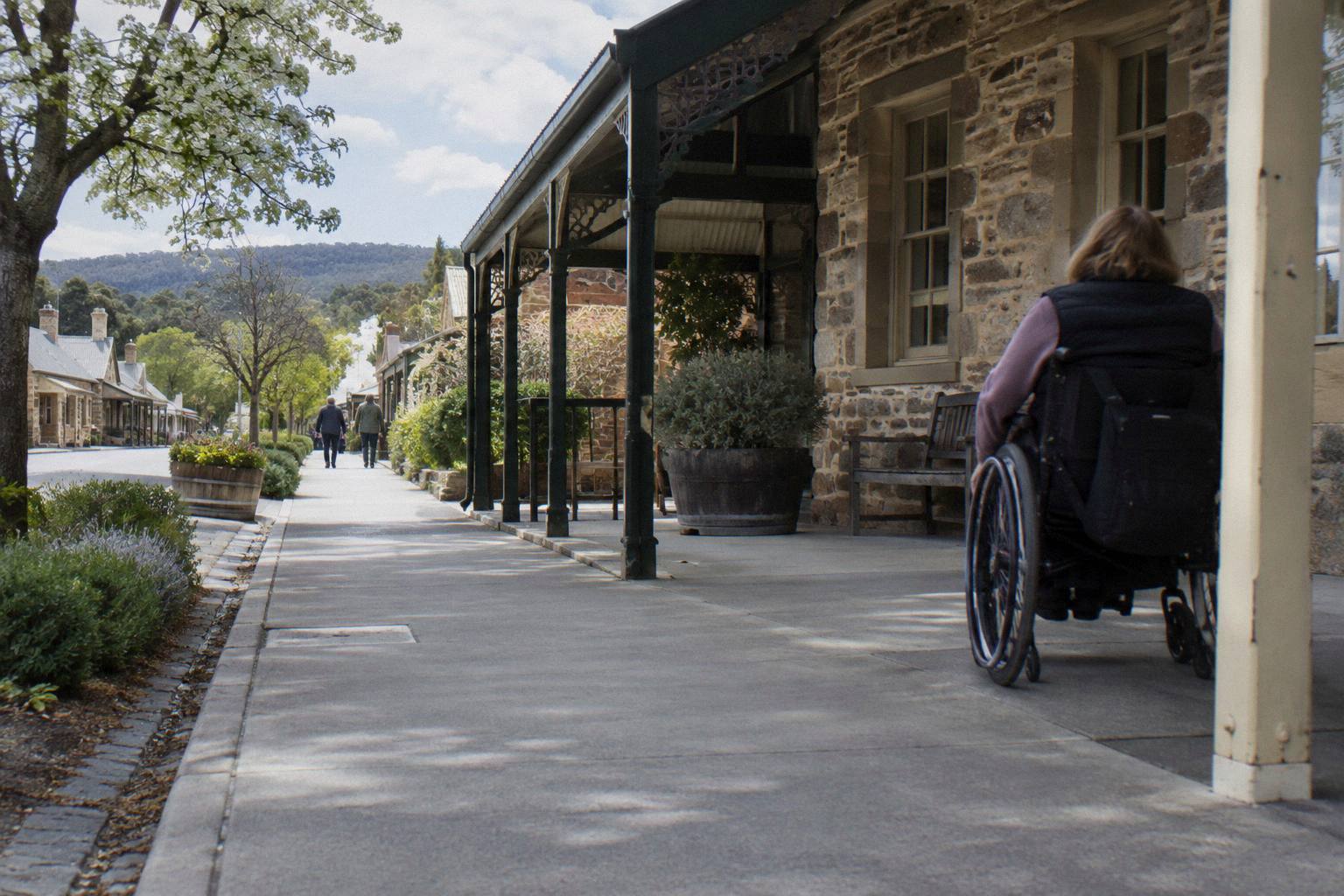
The meeting point is outside the Hahndorf Inn on Mount Barker Road, which puts you at the bottom of the main street with the whole walk ahead of you. Practical fine print from the listing: the tour is wheelchair accessible with accessible surfaces, pushchair accessible, allows service animals, and caps groups at 30 travellers. Cancellation is free up to 24 hours before, which matters if Adelaide weather turns, a topic covered separately in Hahndorf weather by month for a day tour.
Because the walk is the article's featured experience, it is worth stating plainly what is and is not promised. The listing promises the stops, the church entry, the farmlet access and a guide. It promises no language of delivery, no group of a particular nationality, and no theatrical German performance. What you are buying is an hour and a half with someone who knows the street's history.
Is The Tour Given In German Or English?
The walking tour's booking page does not state the language of the tour, and nothing in the official tourism record specifies which languages are spoken by guides or residents in Hahndorf today. The practical move is to ask the operator through the booking page before you pay, using the short list of questions in the checklist section below.
Here, accuracy is worth more than a confident guess. Plenty of travel content would tell you that tours run in English and that you will hear German phrases on the street, but no available source supports either claim, and repeating unsupported claims is how a town's reputation drifts from its record. What the record supports is historical: the settlement was German-speaking at its founding in 1839 by Prussian Lutherans, was renamed Ambleside during the First World War, and recovered its German name in 1935. What happened to the language across the following century is not documented in the available sources.
That gap does not weaken the tour, it reframes it. A heritage walk works in any language because its subject is architecture, church interiors, street layouts and private farmlet access, things you can see regardless of the words used to describe them. If language matters to you, whether you are hoping for German or hoping for clear English, the booking desk is the only reliable source, and the listing's question channel exists for exactly that.
There is also a fair question about whether children or mixed-language groups fit the walk. The listing caps the group at 30, allows pushchairs and service animals, and keeps to accessible surfaces, so the physical format suits families. Language suitability for your group, again, is a one-line question to the operator. If your interest in the German theme is broader than the walk itself, the full guide to Hahndorf walking tours covers alternatives.
Other Ways To See The German Heritage
If an hour and a half on foot sounds thin, two other formats deepen the German theme: the Bostours Hahndorf Hidden Gems Full Day, about 8 hours with hotel pickup from Adelaide CBD or Glenelg and lunch at the Haus Restaurant, and the Adelaide Sightseeing half day with tea or beer tasting at the Hahndorf Inn, about 4 hours and rated 4.4 from 211 reviews. Neither prints a price; check the listings.
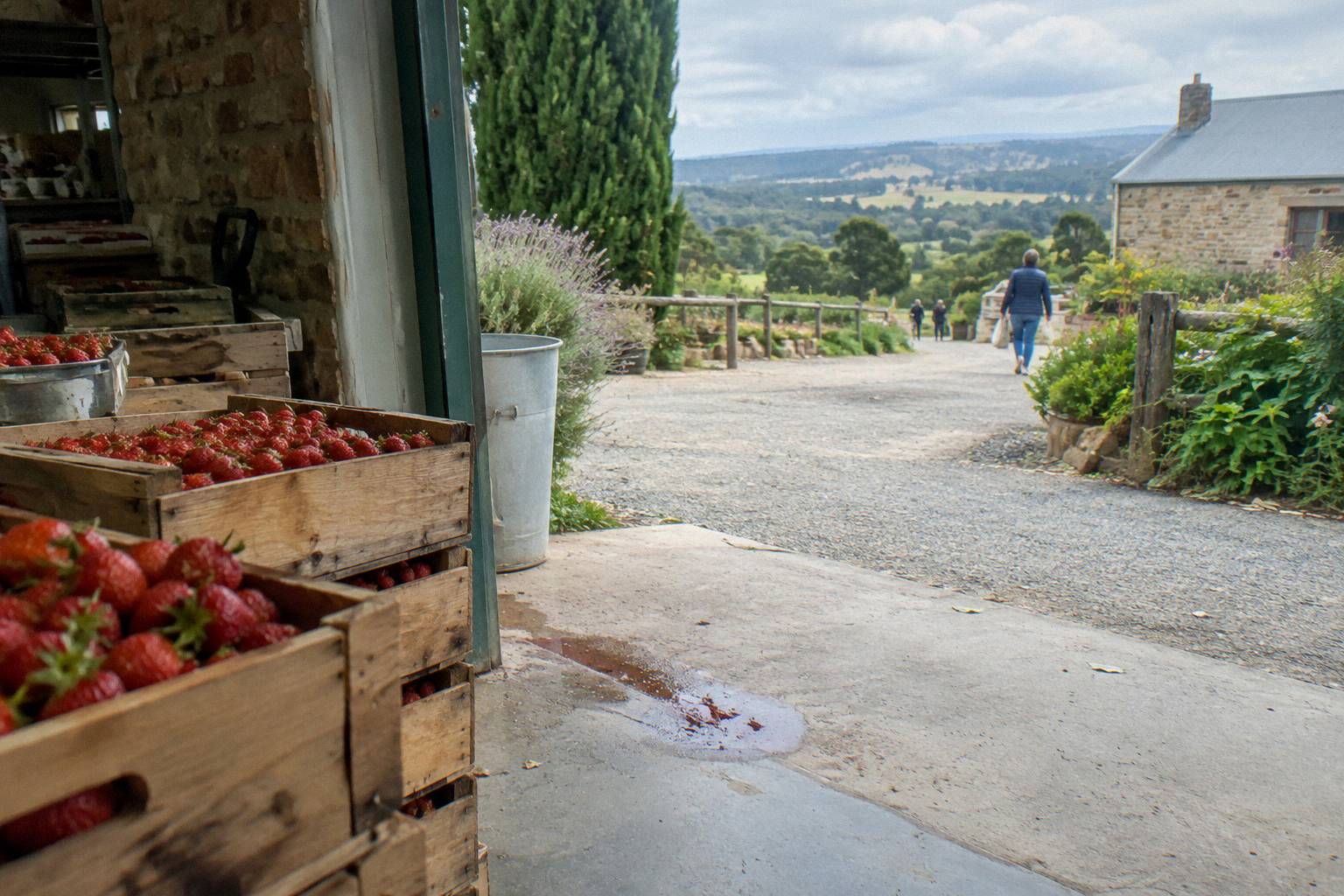
The Hidden Gems day is the natural upgrade for visitors whose interest in the German story extends to food and the surrounding Hills. Its itinerary strings together Mount Lofty Summit Road in Crafers, Hahndorf itself, the Australian Opal Company, Beerenberg Farm, Melba's Chocolates and Woodside Cheese Wrights, with lunch at the Haus Restaurant, the same building the walking tour passes in 10 minutes. Here you sit down in it. Morning tea and cake are listed too. The inclusions also mention drinks and alcoholic beverages without detail, so confirm on the booking page exactly what applies. Pickup and drop-off from Adelaide CBD or Glenelg hotels is included, and cancellation is free up to 24 hours before.
The half day with tea or beer tasting is the contrast pick: about 4 hours, operated by Adelaide Sightseeing, meeting at the Adelaide Central Bus Station on Franklin Street with selected Adelaide CBD hotel pickup on request. Its German flourish is an afternoon tea or a traditional German beer tasting at the Hahndorf Inn, plus live commentary from the driver guide. It carries a rating of 4.4 from 211 reviews. It is not wheelchair accessible, though pushchairs are fine, and it does not run on Christmas Day. As the comparison of Hahndorf half day tour options explains, the sister Mount Lofty half day scores 4.6 from 211 reviews; both figures come from their respective booking pages.
| Format | Duration | German-heritage angle | Pickup | Cancellation |
|---|---|---|---|---|
| Hahndorf Walking Tour | about 1 h 30 min | Guided main street walk, church entry, farmlet access | Meet outside the Hahndorf Inn | Free up to 24 h before |
| Hahndorf Hidden Gems Full Day | about 8 h | Lunch at the Haus Restaurant, Hahndorf free time, Hills stops | Adelaide CBD or Glenelg hotels | Free up to 24 h before |
| Half Day With Tea Or Beer Tasting | about 4 h | Afternoon tea or German beer tasting at the Hahndorf Inn | Bus station, CBD hotel pickup on request | Free up to 24 h before |
Choosing between them is mostly a matter of time and appetite. The walk suits a visitor already in or near Hahndorf who wants the story in a compact form. The half day suits someone based in Adelaide with a free morning or afternoon. The full day suits a traveller who wants the German lunch, the farm shop stops and the Hills scenery bundled into one ticket. You can compare the walking formats in more depth in the guide to Hahndorf walking tours, or weigh the full-day options in the Adelaide Hills full day tours roundup.
If the half day with the beer or tea tasting fits your schedule, it is the pick that most directly pairs the German story with German-flavoured refreshment:
Accessibility And Practical Details
The walking tour's booking page states wheelchair accessibility, accessible surfaces, pushchair accessibility and service animals allowed, with up to 30 travellers. By contrast, the tea or beer half day is pushchair accessible but not wheelchair accessible, and the private tours, shore excursions, hop-on hop-off service and Charms full day all state not wheelchair accessible. These are the listing's own words, not an assessment of terrain.
Because the featured experience is the walk, its accessibility line is the important one: it is among the few Hahndorf experiences whose listing explicitly says wheelchair accessible. That fact alone makes it the default suggestion for travellers using mobility equipment who still want the guided German story, a comparison expanded in the guide to accessible Adelaide Hills tours. The other family details from the listings: infants sit on laps on the tea or beer half day and on the Charms full day, while infant seats are available on the private tours and on Charms.
For the Hidden Gems full day, the listing asks you to bring comfortable walking shoes, a hat, sunscreen and water, sensible advice for any Hills day. For the half day, service animals are allowed and infants sit on laps. None of the listings describe terrain, step counts or walking distances beyond these statements, and nothing beyond them should be assumed.
What To Ask Before You Book
Five short questions to the booking desk cover every gap: the tour's language, the guide's background, what the farmlet access involves, group size on your date, and the cancellation window. Each maps to something the listing either does not state or states only loosely, so asking costs nothing and prevents the wrong booking.
| Question to ask | Why it matters |
|---|---|
| What language is the walking tour delivered in? | The booking page does not state it |
| Is the guide local, and how much settler history do they cover? | The listing promises stops, not depth |
| What does the farmlet access involve? | The listing describes it only as a historic Germanic farmlet on private property |
| How full is the group on my date? | The cap is 30 travellers |
| What is the cancellation window? | Most listings here allow free cancellation up to 24 hours before |
The language question leads the list deliberately. It is the one no written answer resolves, the one that brought many readers here, and the one the operator can answer in a single reply. The others protect against the smaller disappointments: a guide who rushes the church, a farmlet visit that turns out to be a five-minute peek, a 30-person group on a public holiday weekend.
A final framing thought. The reason the German question keeps coming up is that Hahndorf's heritage is unusually well preserved and unusually well documented, down to the Danish captain and the Ambleside detour between 1917 and 1935. Whether the modern street answers in German or in English, the story a guide tells on Mount Barker Road is one of the more remarkable in Australian settlement history, and the walk's published length is enough to hear the outline of it. The team at Hahndorf Tours keeps the walk, the half days and the full days side by side so you can match the format to your schedule.
These three remain the best fit for a German-heritage visit, whatever your answer on language turns out to be:
Common Questions About German In Hahndorf
Do They Speak German In Hahndorf? What To Expect On A Walking Tour
No available source states whether German is spoken in Hahndorf today or the language of the guided walking tour. The town's Germanic heritage is firmly documented, founded 1839 by Prussian settlers, but the language question should be put to the operator through the booking page before you pay.
What Stops Does The Hahndorf Walking Tour Include?
The published itinerary is St Paul's Lutheran Church (20 minutes, entry included), Ophelia Cottage, now Kajute Living (15 minutes), the Haus Restaurant (10 minutes, pass-by), the Hahndorf Inn (10 minutes) and Mount Barker Road (35 minutes), plus access to a historic Germanic farmlet on private property. The whole walk runs about 1 hour 30 minutes.
Who Was Hahndorf Named After?
Captain Dirk Meinerts Hahn, a Dane who commanded the sailing ship Zebra that carried many of the Prussian settlers. The town was founded in 1839 and is the oldest surviving Germanic settlement in Australia.
Was Hahndorf Ever Called Something Else?
Yes. It was renamed Ambleside during the First World War as part of anti-German place-name changes and was restored to Hahndorf in 1935.
Is The Walking Tour Wheelchair Accessible?
The booking page states the tour is wheelchair accessible, with accessible surfaces, pushchair accessible, service animals allowed and up to 30 travellers per group.
Can I Cancel The Walking Tour If My Plans Change?
Yes, the listing allows free cancellation up to 24 hours before the tour. The same 24-hour window applies to the Hidden Gems full day and the tea or beer tasting half day mentioned above.