Hahndorf History: Why A German Village Sits In The Adelaide Hills (Guided Tour View)
A village of half-timbered shopfronts and Lutheran stonework, half an hour from Adelaide, traces back to 1839 and a Danish sea captain. This is the history the guided tours walk you through, and how to see it properly.
Short answer
Hahndorf was founded in 1839 by Prussian Lutheran settlers who arrived on the sailing ship Zebra under Danish Captain Dirk Hahn, making it the oldest surviving Germanic settlement in Australia and the first settlement planned for non-British immigrants. The Hahndorf Walking Tour, about 1 hour 30 minutes, covers the historic core including St Paul's Lutheran Church.
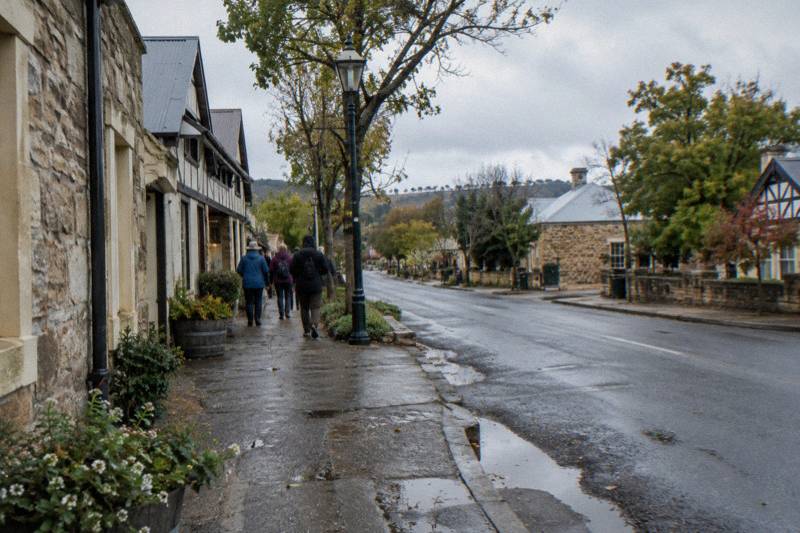
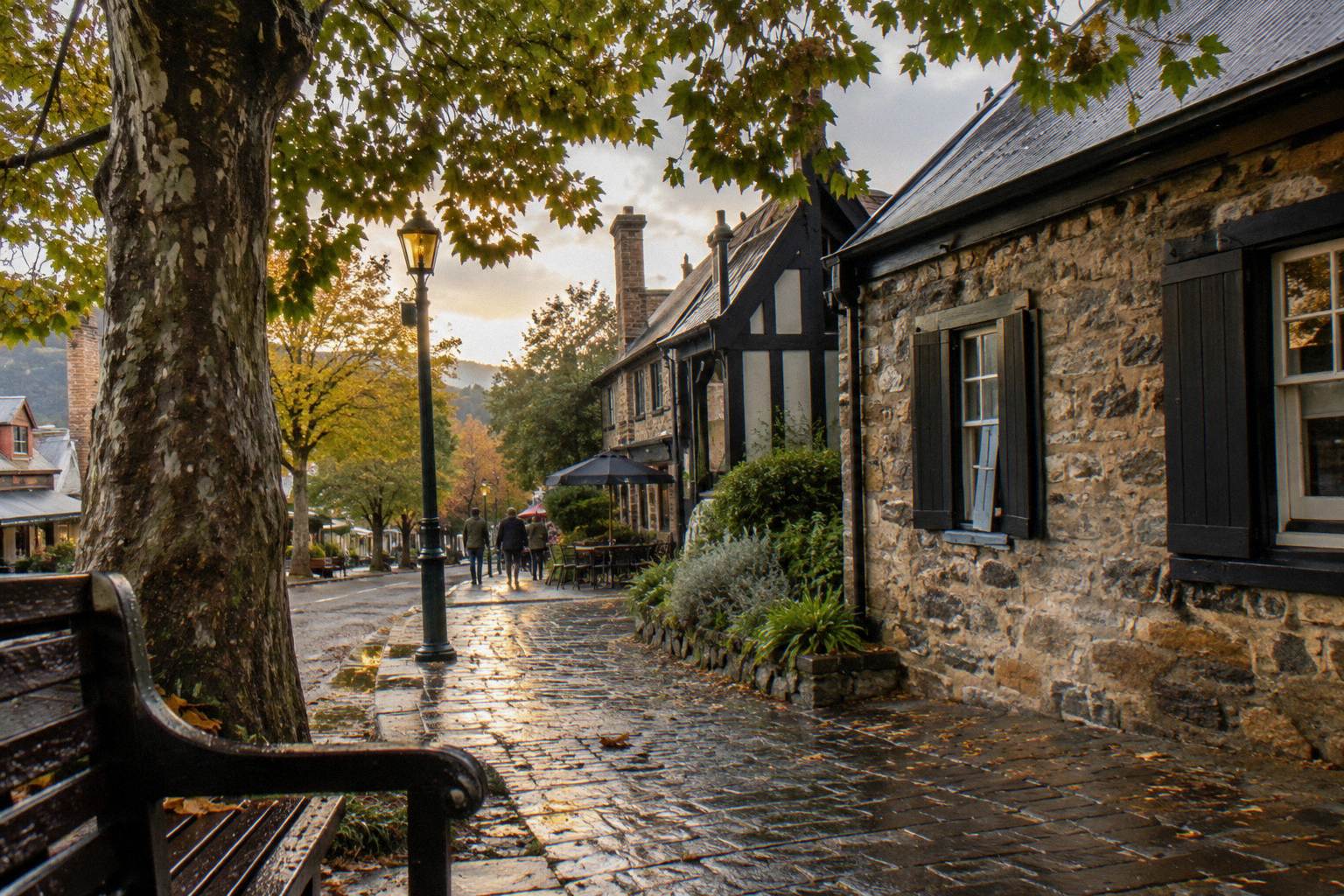
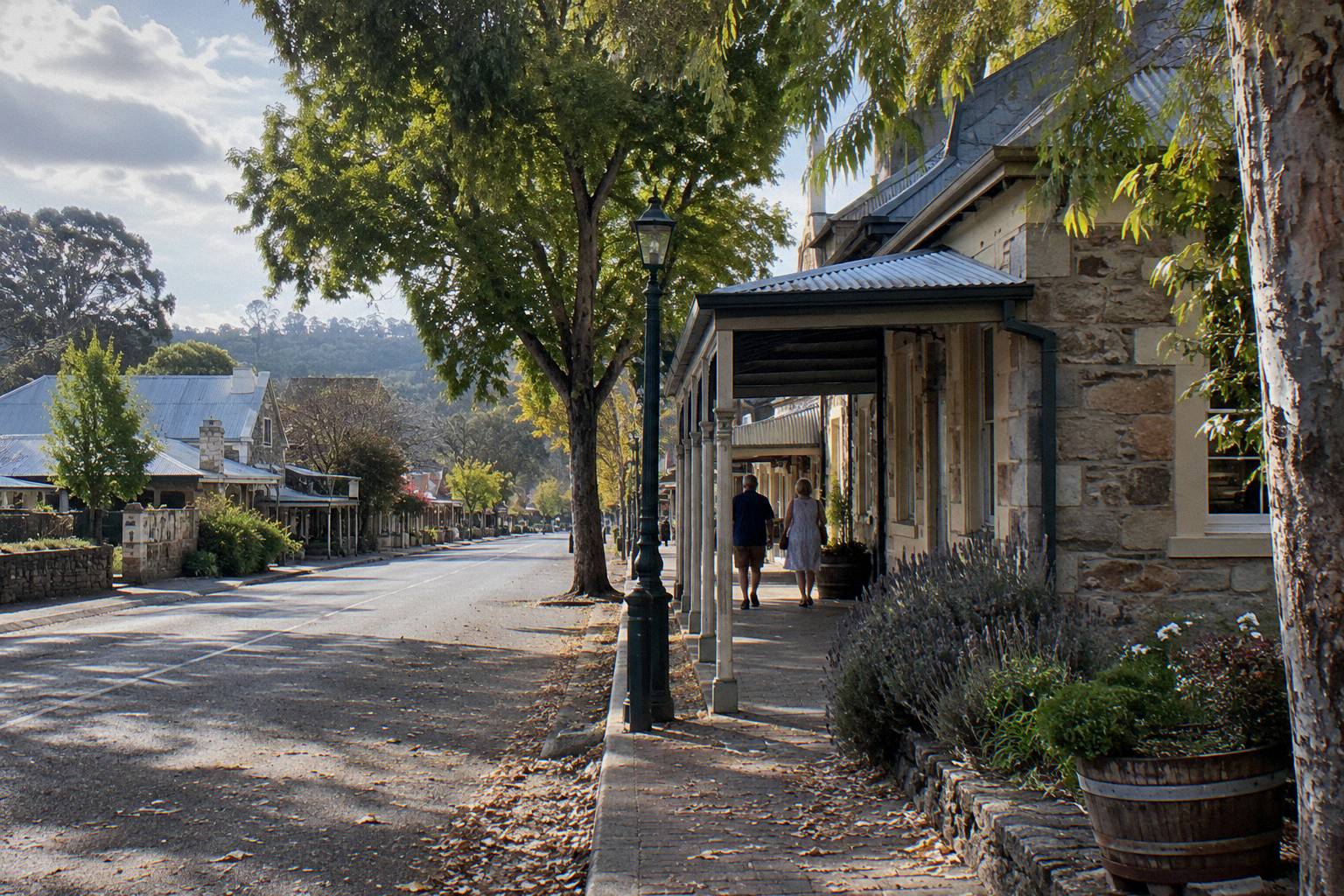
Hahndorf looks, at first glance, like a stage set: leaning timber shopfronts, linden trees down the main street, pretzels in bakery windows and German flags on the lamp posts. It is not a stage set. It is the oldest surviving Germanic settlement in Australia, founded in 1839 by Prussian Lutheran migrants who arrived on a small sailing ship named the Zebra, under the command of a Danish captain whose name the town still carries. That combination, Prussian villagers, a Danish skipper and a British colony that had been surveyed only a few years earlier, is one of the stranger founding stories in Australian settlement history, and it explains almost everything you see when you walk down the main street today.
The story also explains why a guided tour earns its keep here in a way it does not in many heritage towns. The German character of Hahndorf is layered: farm cottages from the founding years stand beside a school building that opened in 1857, the 1917 wartime rename and the 1967 museum opening sit on top of each other, and most of that layering is invisible unless someone points at it. A coach tour gives you the photo stop. A walking guide gives you the building dates, the church, the cottages and the reasons the street looks the way it does. The history below is drawn from the verified record and mapped onto the tours that actually cover it, so you can decide where a guide adds value for you.
Why Does A German Village Sit In The Adelaide Hills?
Hahndorf exists because Prussian Lutherans, facing religious persecution at home, accepted land in the young colony of South Australia and arrived on the Zebra in late 1838, founding the village in 1839. South Australian Tourism describes it as the oldest surviving Germanic settlement in Australia and the first settlement in the country planned specifically for non-British immigrants, which is a distinction no other Australian town can claim.
The colony of South Australia had only been proclaimed in 1836, and its founders were actively recruiting migrants. Among them were Lutheran communities from Prussia who wanted freedom to worship in their own congregations. South Australian Tourism's account of the town records that the Prussian settlers made the journey on a small sailing ship named the Zebra, under the command of Captain Dirk Hahn, and that the settlement was the first in Australia planned specifically for non-British immigrants. The word "planned" matters: this was not a goldfields shantytown that grew organically, it was a surveyed village laid out for a particular community from the start.
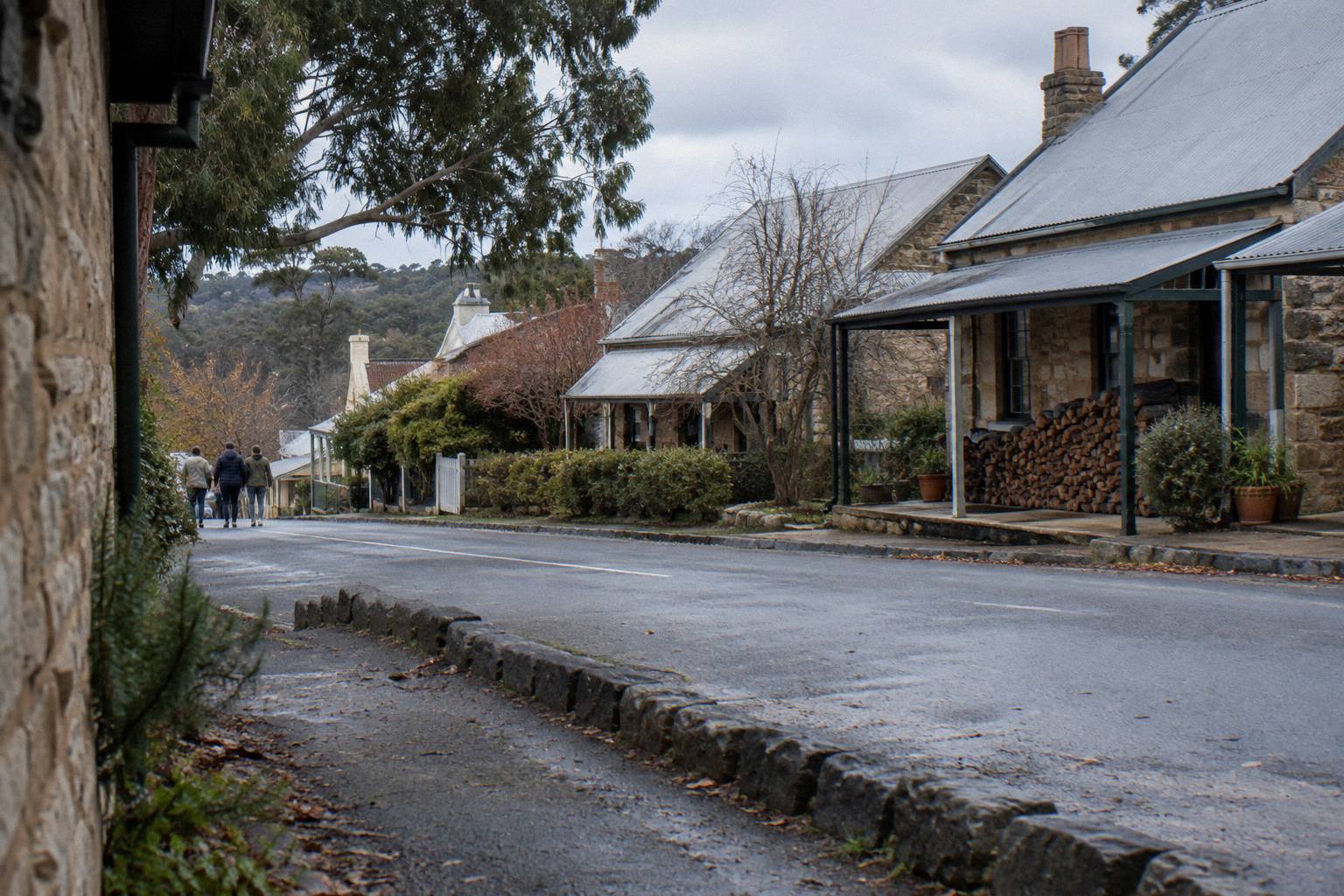
The site itself was chosen for country that felt familiar. The Adelaide Hills were cooler, greener and better watered than the plains, closer to the farmland these settlers had left behind than the heat of the Adelaide flats. They farmed the strips of land running back from the main street, built their church first and their houses around it, and for decades the village ran substantially in German: German language schooling, German newspapers, German hymns on Sunday. The fabric you walk through now, the church, the cottages, the deep-block village layout, is the direct residue of that plan. If you are weighing how much time the village itself deserves, the guide on how long you need in Hahndorf breaks the trade-off down by travel style.
One clarification worth making before anything else, because tour brochures and café menus get it wrong constantly: the town is the oldest surviving Germanic settlement, not simply "Australia's oldest German town". Other German settlements existed; Hahndorf is the one that survived in continuous form. And the man it is named after was not German at all, which is the next part of the story.
Who Was Captain Dirk Hahn And What Was The Zebra?
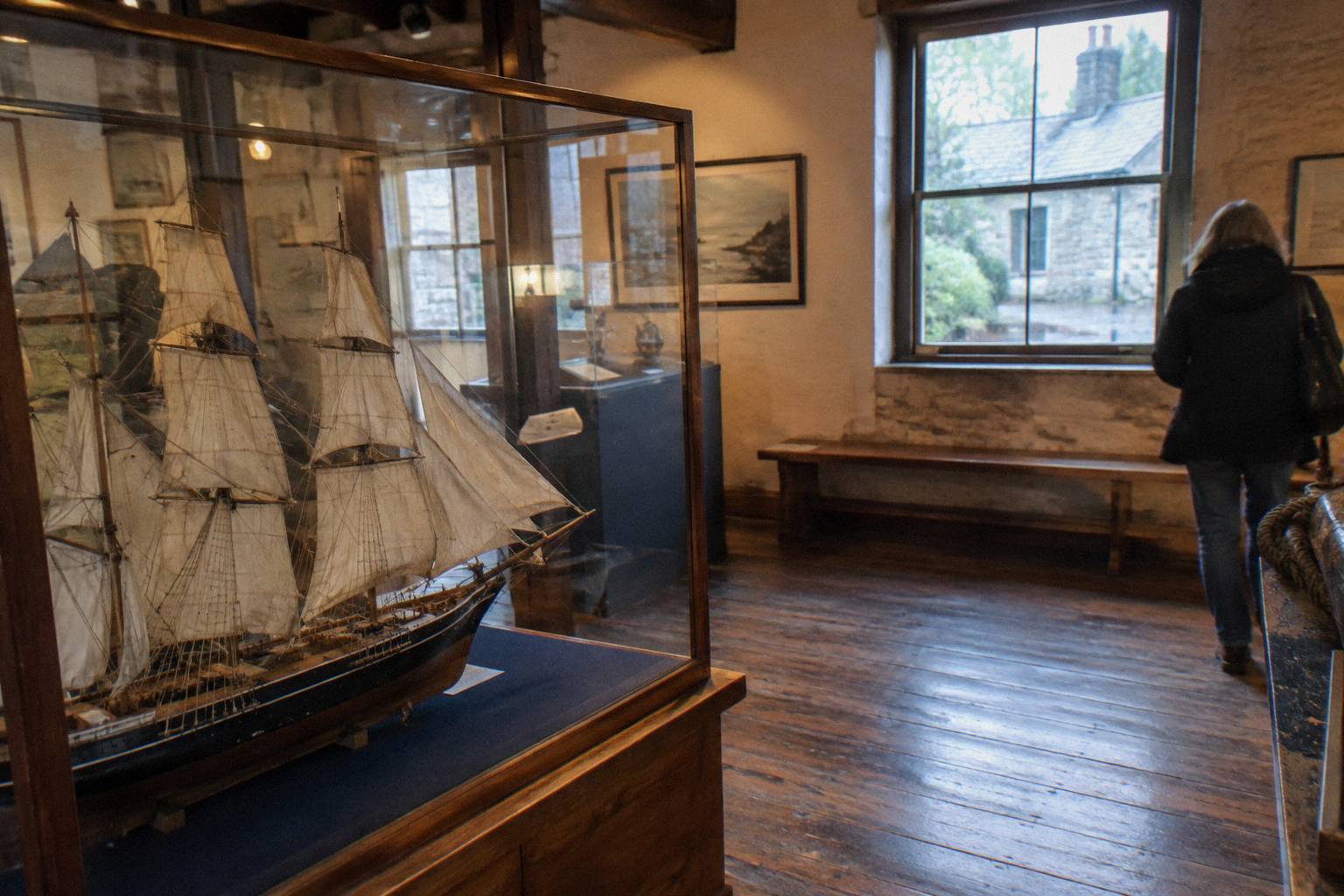
Captain Dirk Meinerts Hahn was a Dane who commanded the Zebra, the small sailing ship that carried the Prussian Lutheran settlers to South Australia, arriving in late December 1838. The town founded the following year took his name, meaning a Danish sea captain is permanently commemorated in the middle of an Australian German village, which is why guides never call him German or Prussian.
The Zebra was not a liner. It was a small vessel by any measure of emigration shipping, and the voyage from Europe to South Australia took months in the southern oceans. The settlers aboard were largely families, farming people with tools, bibles and very little else. Many of them came ashore in the closing days of 1838, and the village was laid out and named in 1839 in gratitude to the captain who had brought them safely. Hahn's own role went beyond the wheelhouse: contemporary accounts credit him with helping the new arrivals negotiate land in the Hills when their immediate prospects in Adelaide looked thin.
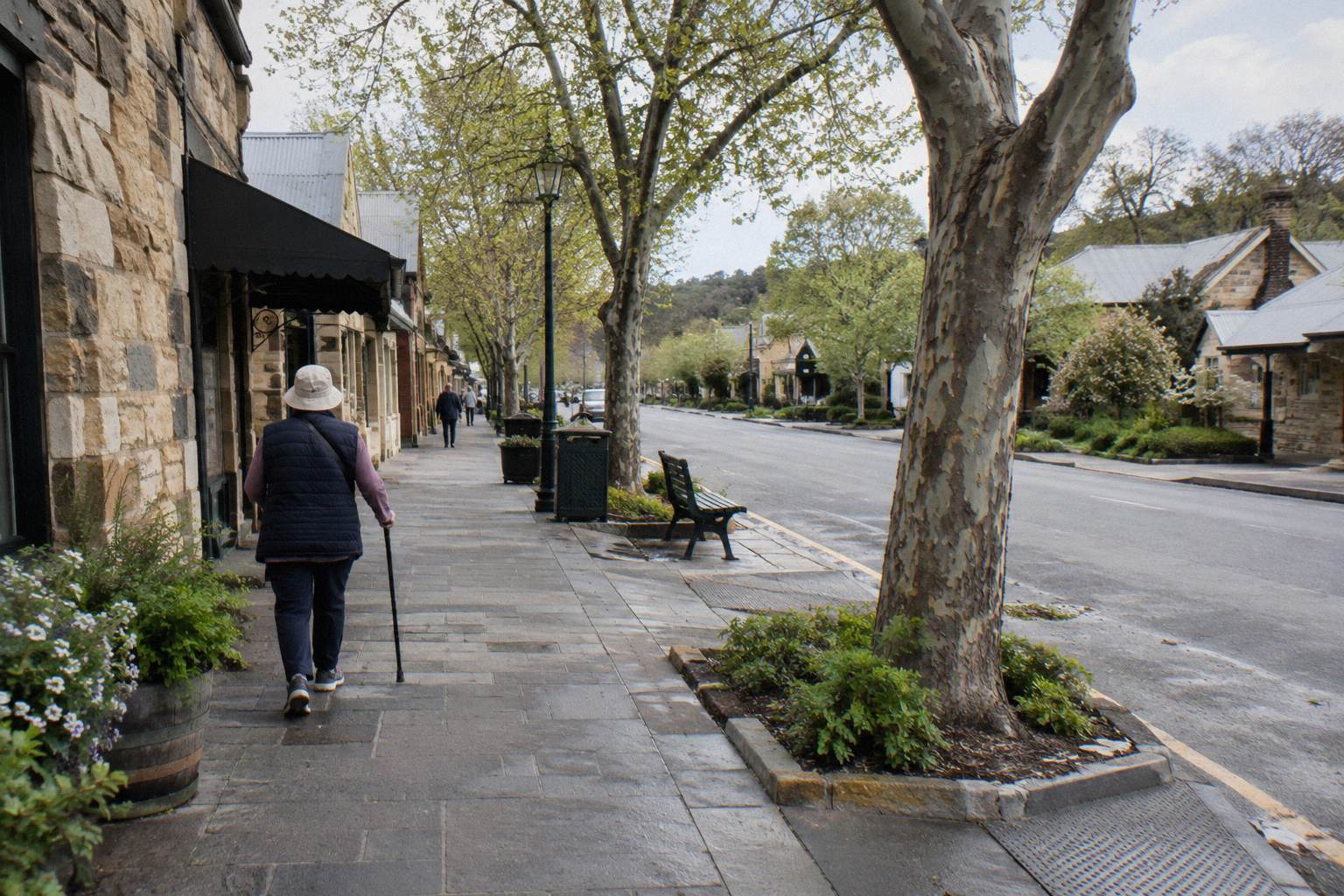
That detail, a ship's captain effectively brokering a settlement, is the kind of thing a good local guide relishes, because it collapses the distance between "heritage village" and a real, risky, improvised migration story. It is also a fact that is easy to get wrong in casual retellings, and the town's own information is firm on it: the captain was a Dane. When you hear a tour commentary or read a menu that describes "the German captain Hahn", you are listening to someone who has not checked the record.
For planning purposes the important thing is this: the founding story is not decorative background, it is the reason the town is on the tourism map at all. The German-built streetscape, the Lutheran church at the top of the town, the farm strips behind the main road, all flow from a Prussian migration brokered by a Dane in 1838. If that paragraph surprises you, a guided walking commentary is likely to repay the cost.
What Survives To See: The Historic Buildings On The Main Street
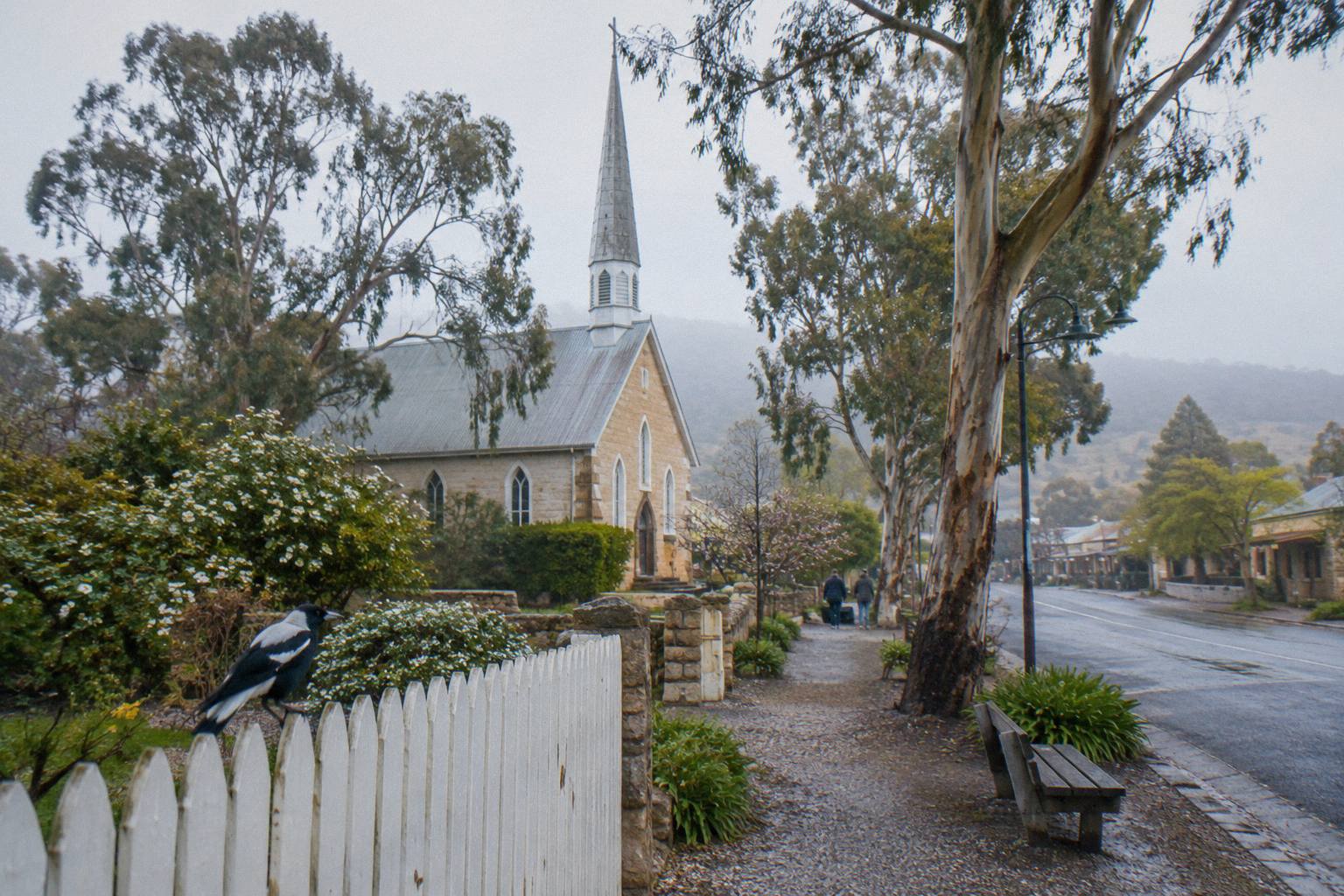
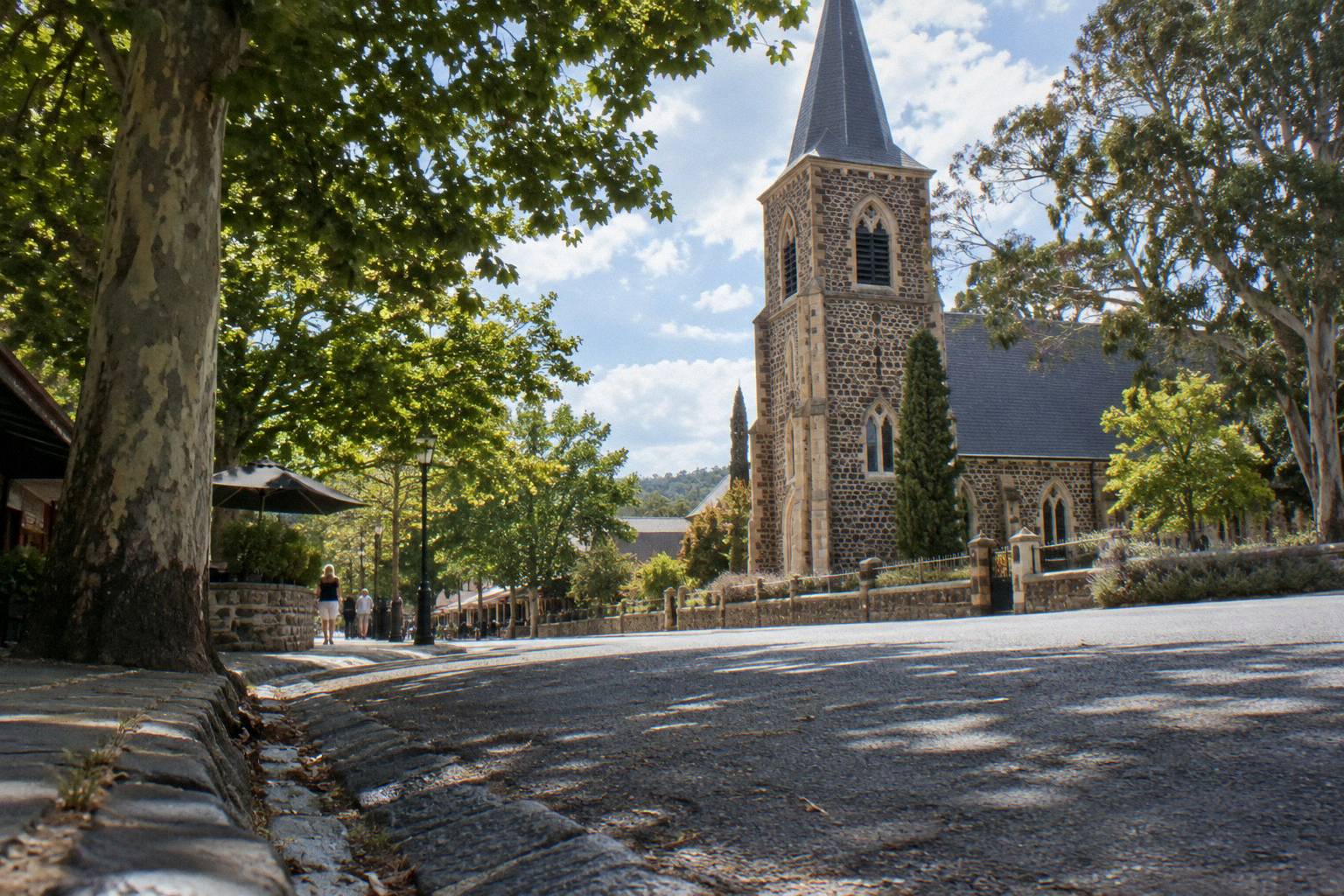
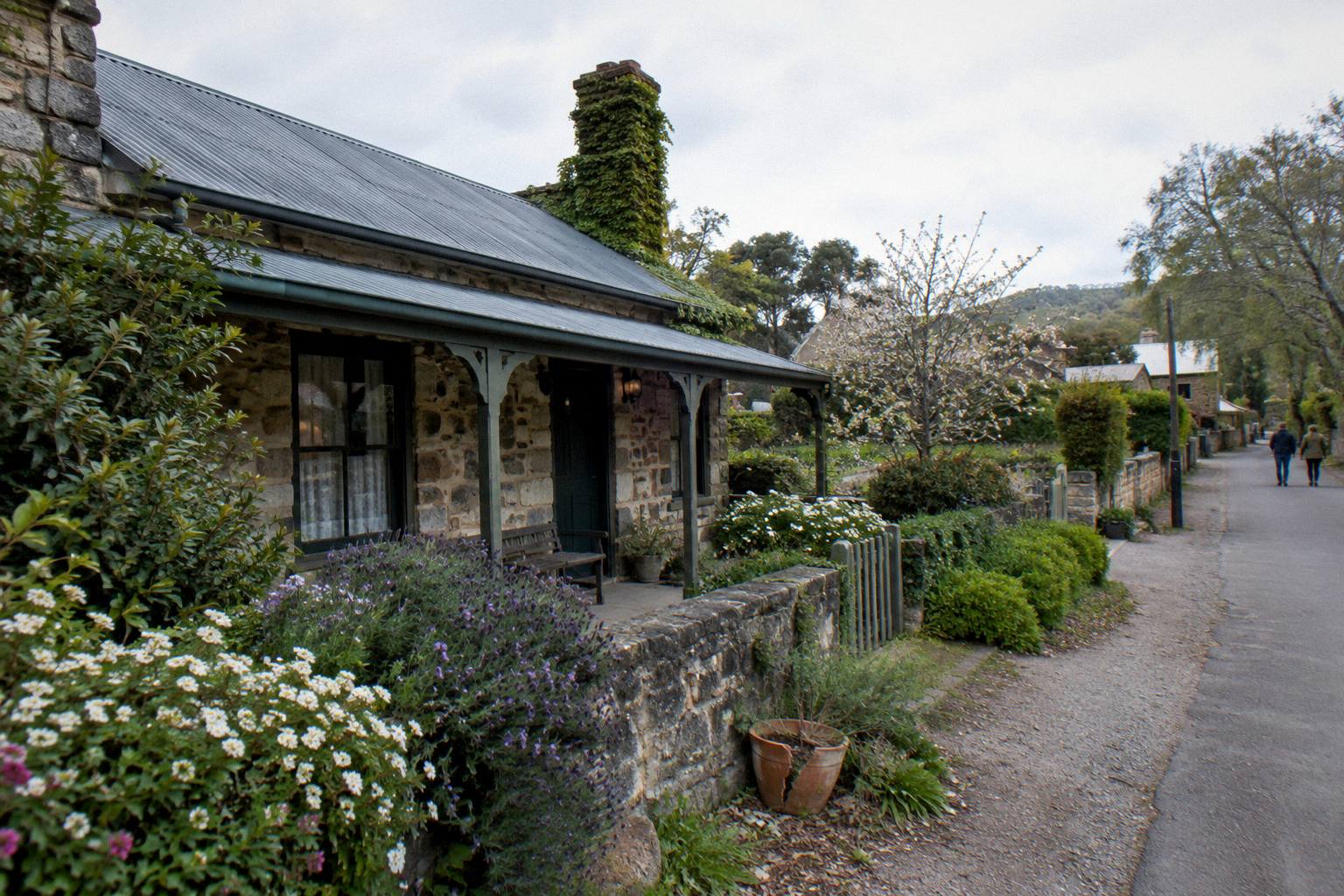
The Hahndorf Walking Tour is the most history-dense product on offer, and its stop list reads like an index of the surviving fabric. St Paul's Lutheran Church gets 20 minutes with entry included, which matters because the interior, not just the spire, carries the settlement's religious story. Ophelia Cottage, now the Kajute Living shop, gets 15 minutes inside a building that has been retailed, lived in and re-purposed across the town's life. The Haus Restaurant is a pass-by stop, the Hahndorf Inn gets its own 10 minutes, and the remaining 35 minutes runs along Mount Barker Road itself, where most of the surviving facades are. The booking page also lists an inclusion worded as access to a historic Germanic farmlet on private property, which is exactly the kind of behind-the-fence stop independent visitors cannot arrange.
The table below is what the 90 minutes actually buys, in the order the tour works through it.
| Stop | Time at stop | What the booking page says |
|---|---|---|
| St Paul's Lutheran Church | 20 minutes | Entry included |
| Ophelia Cottage (now Kajute Living) | 15 minutes | Interior visit |
| Haus Restaurant | 10 minutes | Pass-by stop |
| Hahndorf Inn | 10 minutes | Meeting point exterior |
| Mount Barker Road | 35 minutes | Guided stretch of the historic street |
| Historic Germanic farmlet | Listed inclusion | Access to private property |
Accessibility is unusually good for a heritage product: the tour is wheelchair accessible, pushchair accessible, with wheelchair-accessible surfaces, and service animals are allowed. Cancellation is free up to 24 hours before. If you want to compare it against the wider field before committing, the Hahndorf walking tours compared guide puts the options side by side.
For readers deciding between a quick look and a proper visit, the choice is really between depth and coverage, and the three products below span that range.
Which Guided Tours Actually Cover The German History?
Only the Hahndorf Walking Tour is built around the history itself; the half-day coach tours give you commentary plus 1.5 hours of free time in the village, and full-day options buy more hours on the same street plus Hills stops like Beerenberg Farm. The Adelaide Hills, Hahndorf And Mount Lofty Half Day runs about 4 hours, is rated 4.6 from 211 reviews, and includes 1.5 hours of Hahndorf free time and live driver commentary.
This is the hierarchy. If German history is your reason for coming, the walking tour is the product whose entire content is that subject. If you want the story plus the drive and the summit view, a half-day coach tour with live commentary gets you the region in context, with the trade-off that your time inside Hahndorf is self-directed. If you want a full day that includes the village plus the farms and food producers around it, the full-day options extend the same street time with Hills variety.
| Tour | Duration | History content | Hahndorf time |
|---|---|---|---|
| Hahndorf Walking Tour | about 1 h 30 min | The entire tour; church, cottage, farmlet | The whole tour |
| Adelaide Hills, Hahndorf And Mount Lofty Half Day | about 4 h | Driver commentary en route | 1.5 hours free time |
| Hahndorf Hidden Gems Full Day | about 8 h | Village plus Hills producer stops | Village included in the day |
| Adelaide Hills And Hahndorf Half Day With Tea Or Beer Tasting | about 4 h | Driver commentary, up to 48 travellers | Village stop plus Hahndorf Inn visit |
The Adelaide Sightseeing half day, rated 4.6 from 211 reviews, meets at the Adelaide Central Bus Station on Franklin Street with courtesy pickup from selected CBD hotels, climbs to a 15-minute Mount Lofty Summit photo stop, calls at Beerenberg Farm for 20 minutes, then gives you that 1.5-hour block in Hahndorf with afternoon tea or a beer tasting at the Hahndorf Inn Hotel. It is a sampler: the history you get is whatever you find in your free 90 minutes plus the driver's commentary on the villages of Crafers, Stirling, Aldgate and Bridgewater on the way up. For a fuller comparison of that whole category, see Adelaide Hills day tours compared.
The half day with tea or beer tasting, rated 4.4 from 211 reviews, runs a similar shape with up to 48 travellers on board, meeting at the same Franklin Street bus station with selected CBD hotel pickup on request, and includes the afternoon tea or traditional German beer tasting at the Hahndorf Inn. Both coach products skip Christmas Day and both allow free cancellation up to 24 hours before. Neither rating should be read as a verdict on the other: they are two listings of a similar experience, and the numbers are printed here so you can read them yourself.
The full-day Bostours option, Hahndorf Hidden Gems, approaches the village from the coverage end. Over about 8 hours, with pickup and drop-off from Adelaide CBD or Glenelg hotels, it takes in Mount Lofty Summit Road in Crafers, Hahndorf itself, the Australian Opal Company, Beerenberg Farm, Melba's Chocolates and Woodside Cheese Wrights, with lunch at the Haus Restaurant and morning tea and cake included. Its inclusions list also mentions drinks and alcoholic beverages without detail, so confirm on the booking page what applies on your date. The Haus is one of the historic buildings the walking tour passes, so lunch lands you inside the story even on a day that is mostly about breadth.
The Timeline: From The Zebra To Today
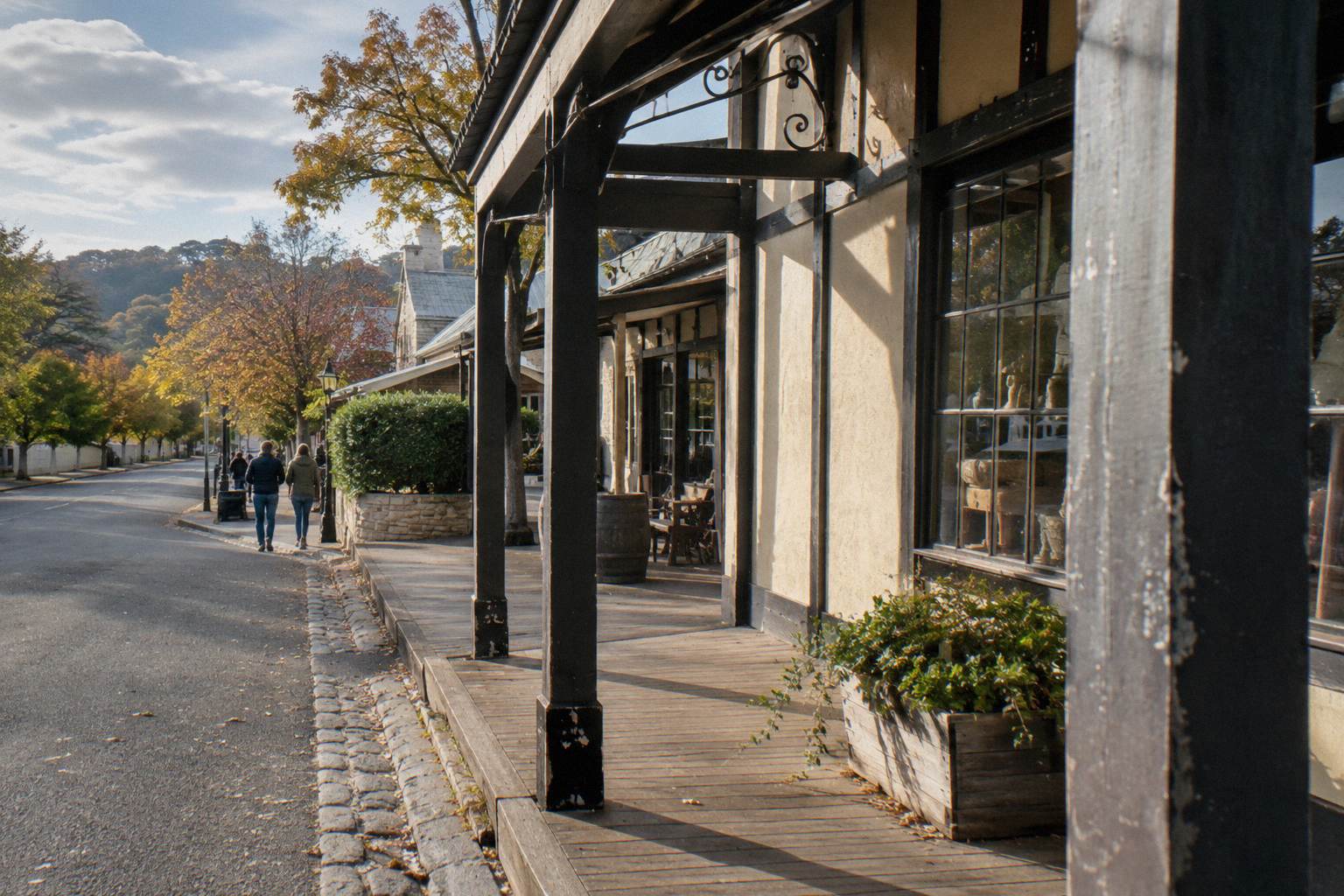
The compressed version runs: 1838 arrival of the Zebra, 1839 founding of Hahndorf, 1857 the Academy building opens as a school, 1917 wartime rename to Ambleside, 1935 restoration of the name Hahndorf, and 1967 the Academy's galleries and German Folk Museum open. Every date in that sequence is documented in official or town sources, and the table below sets each against where it comes from.
Histories of small towns usually dissolve into folklore, so it is worth pinning the spine to verifiable sources. South Australian Tourism's own page on Hahndorf carries the founding facts, the Hahndorf Academy's history page documents its building, and the rename and restoration are recorded in standard references on South Australian place-name legislation. The table gives you the dates a guide will walk you past.
| Date | Event | Source |
|---|---|---|
| 28 December 1838 | Zebra arrives with Prussian Lutheran settlers | SA Tourism / town history |
| 1839 | Hahndorf founded; oldest surviving Germanic settlement in Australia | SA Tourism |
| 1857 | Academy building opens as a school under Traugott Wilhelm Boehm | Hahndorf Academy |
| 1917 | Renamed Ambleside during the First World War | Place-name records |
| 1935 | Name restored to Hahndorf | Nomenclature Act 1935 |
| 1967 | Academy galleries and German Folk Museum open | Hahndorf Academy |
The wartime chapter deserves its own sentence rather than a passing clause. In 1917, with anti-German feeling at its height, Hahndorf was renamed Ambleside along with other German-named places in South Australia, and the German language press and schooling of the Hills went with it. The name was restored in 1935, which is closer in time to the Second World War than to the First. That gap, nearly two decades under an English name, is part of why so much of the town's German institutional life vanished even while the buildings stayed. Guides who know the town treat the rename not as trivia but as the hinge of the whole story. The full index of guides sits on Hahndorf Tours.
The Hahndorf Academy And The Cedars
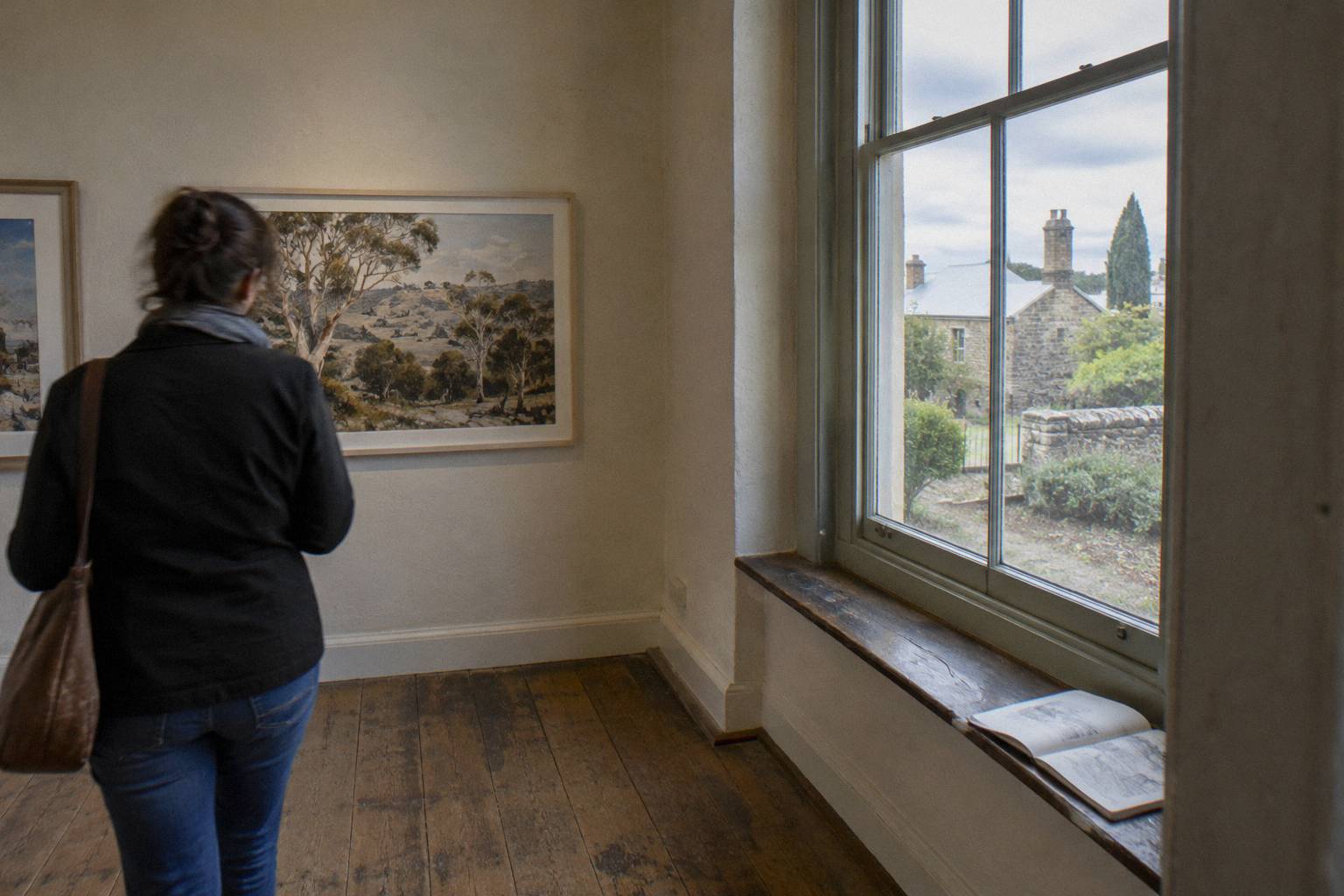
The Academy is the single best self-guided complement to a guided walk, and its own pages are unusually specific about what it is: a museum of First Nations, German settler and early 19th century village life, with contemporary exhibitions and a shop of South Australian artists. Its own website states it is open 364 days a year, 10am to 5pm, and describes itself as the second most visited gallery in South Australia, a claim attributed to the Academy rather than asserted independently. The building's biography mirrors the town's: opened as a school in 1857 under Traugott Wilhelm Boehm, a tower added in 1872, used as a hospital from 1917 to 1937, and its galleries and German Folk Museum opened in 1967. No tour includes a stop, so budget 30 to 45 minutes of free time for it, which is another quiet argument for an itinerary that leaves you unstructured hours in the village.
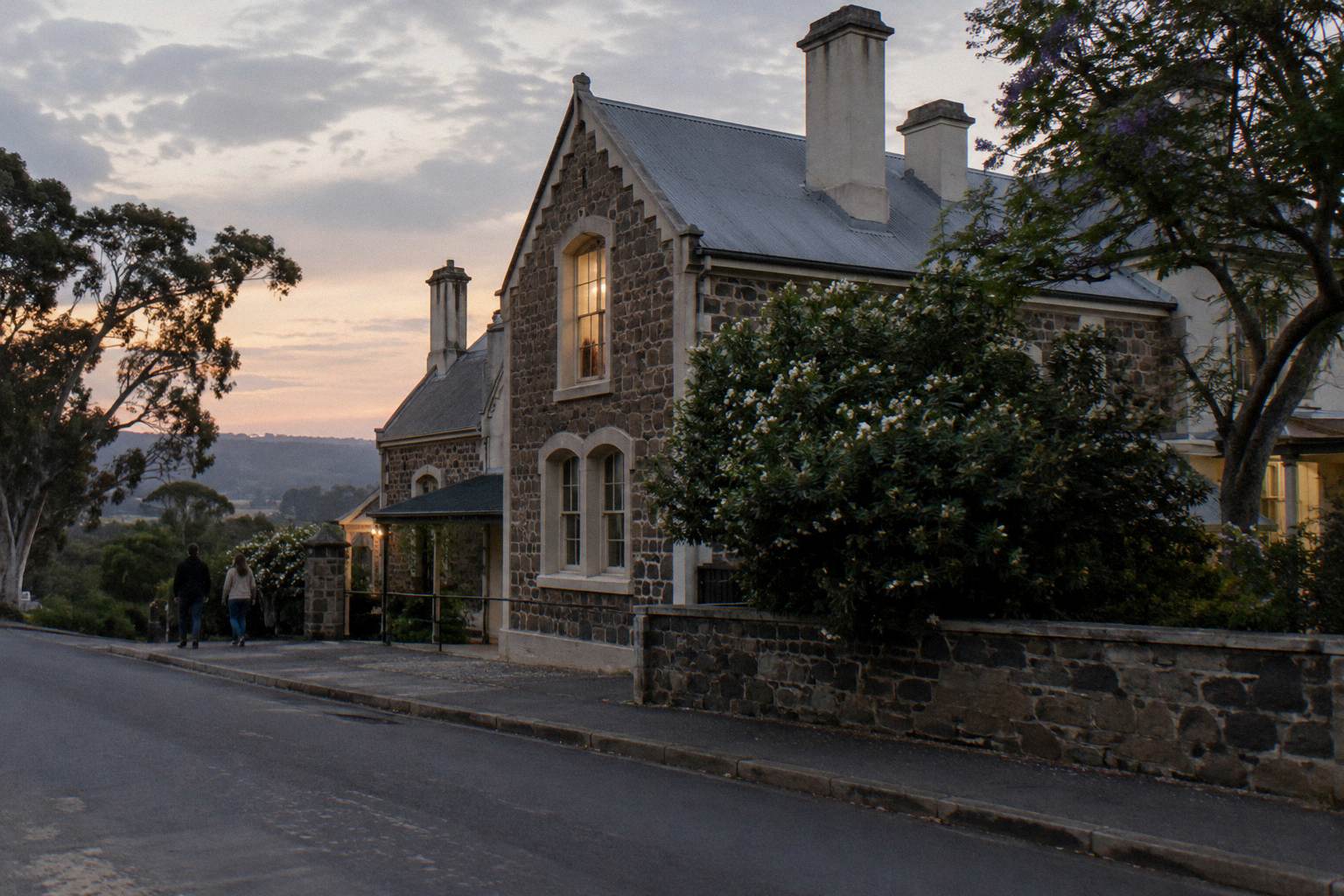
The second heritage site tied to the town is The Cedars on Heysen Road, a property the region's landscape-painting tradition is bound up with. The official visit page lists the historic home, studios and gardens, open Tuesday to Sunday 10am to 4.30pm and public holiday Mondays, closed Good Friday, Christmas Day and 26 December. Tours and self-guided entry are both mentioned, so check the official site for what applies when you go. Like the Academy, no tour line stops at The Cedars; it is a drive-to or taxi-to visit you add yourself if art history is part of your interest. Neither site publishes an admission price.
Between the two, a history-minded visitor with a free afternoon in the village can assemble the equivalent of a museum day: guided walk for the street fabric, Academy for the collection and the settler story, The Cedars for the artistic afterlife of that landscape. A broader rundown of things to do in Hahndorf on a day tour places both in the fuller context.
How To Plan A History-Focused Day Around Hahndorf
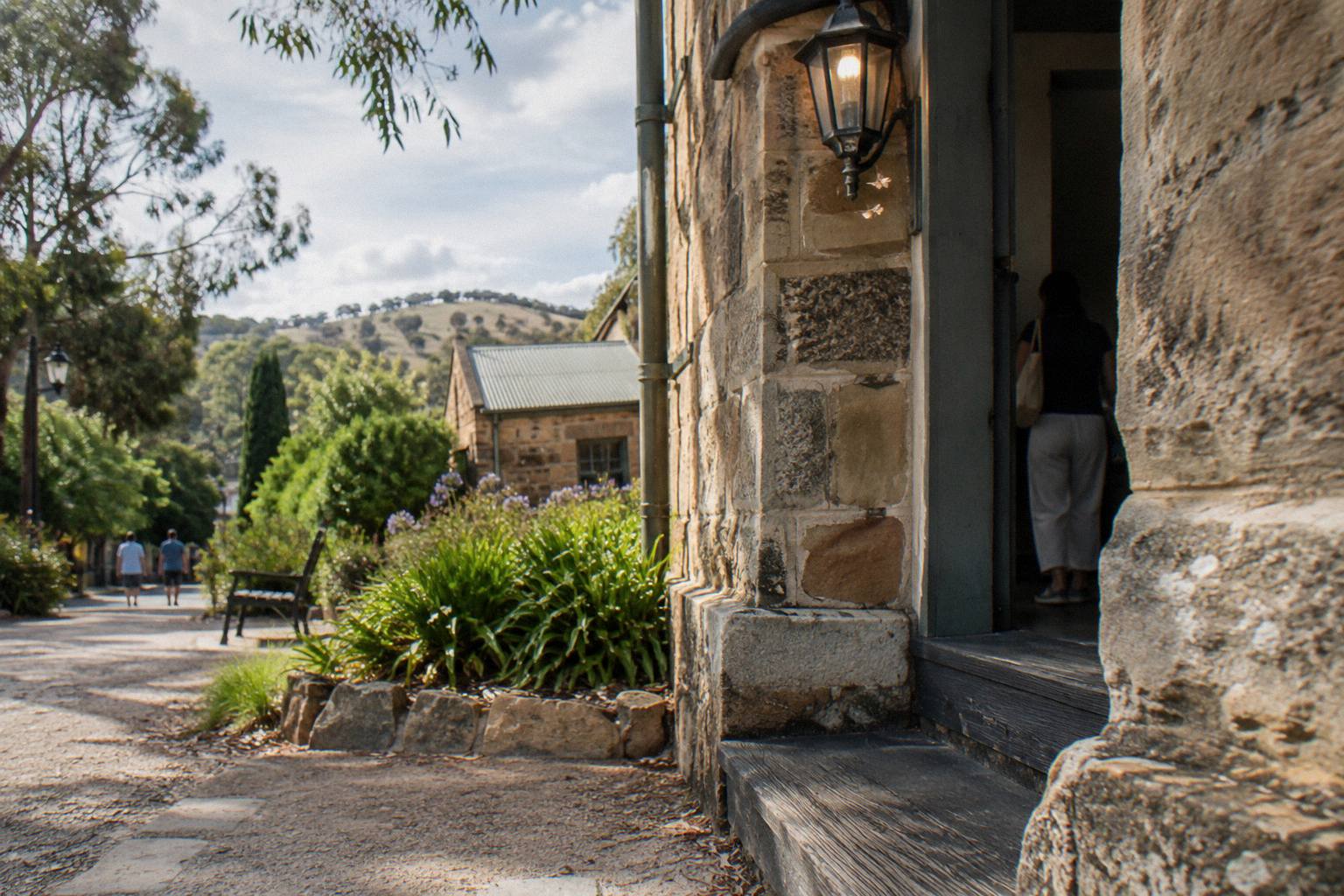
Timing first. The strawberry patch at Beerenberg, running pick-your-own since 1975, is open almost every day from November to April, and the farm's own page notes the patch can close when picked out, in long hot spells or on fire warnings, with the website updated at 9am on the day. That is the one hard seasonal fact in the Hills calendar, and if picking is on your list, your history tour slots around it, not the reverse. SA Tourism's regional guidance is blunt on crowds: around 20 to 30 minutes by car from Adelaide, car recommended for the villages, and book ahead on weekends and holidays, especially in Hahndorf itself.
A simple planning grid, using only what the booking pages state:
| If your interest is... | Best fit | Why |
|---|---|---|
| The founding story and buildings | Hahndorf Walking Tour | Entire 90 minutes is the subject |
| History plus summit and farm | Adelaide Hills, Hahndorf And Mount Lofty Half Day | Commentary, 15-minute summit stop, Beerenberg, 1.5 hours free |
| A full Hills day including the village | Hahndorf Hidden Gems Full Day | 8 hours, lunch at the historic Haus, producer stops |
| Museum depth at your own pace | Hahndorf Academy, self-guided | Open daily 10am-5pm, no tour line stops here |
Most itineraries that work well here are hybrids, and the half-day coach with tea or beer tasting is the cleanest hybrid available: about 4 hours, up to 48 travellers, live commentary from the driver guide, and an afternoon tea or traditional German beer tasting at the Hahndorf Inn, the same historic inn where the walking tour meets. It runs from the Adelaide Central Bus Station on Franklin Street, with selected CBD hotel pickup on request, and like the other coach products it does not operate on Christmas Day and allows free cancellation up to 24 hours before. Rated 4.4 from 211 reviews, it is the version to pick when you want the story delivered from a seat and a tasting at the end of it. Check availability alongside the half day with tea or beer tasting tour page if that shape suits you.
One thing worth saying plainly: you do not need German to enjoy any of this, and the town itself does not run in German, though its signage, menus and building names lean on the heritage deliberately. If you are curious how deep that linguistic layer goes in practice, the guide on whether they speak German in Hahndorf answers it directly.
Is A Guided History Tour Of Hahndorf Worth It?
Yes, if the founding story is why you are coming: the surviving fabric is real but largely unlabelled, the good details (the Danish captain, the Ambleside rename, the farm strips) are invisible without a guide, and the 90-minute walking tour costs less time than a single unstructured wander with a pamphlet. If Hahndorf is one stop in a Hills day and the scenery matters more, a coach half day with commentary serves you well enough.
Here is the test to apply. Walk a short stretch down Mount Barker Road and ask yourself what you can date, name or explain. Almost nobody can, because the street does not interpret itself: the half-timbered look is partly revival, the genuine founding-era material is mixed through it, and the story that ties the church, the cottages and the inn together lives in records, not signage. A guide converts a pretty street into a documented one. That is the whole product, and for readers arriving curious about the Lutheran settlement, it is a good purchase. Hahndorf Tours exists, in large part, because that story rewards an interpreter.
The counter-case is equally clear. If your group's priority is the summit view, the strawberry farm, the chocolate factory or simply a German lunch with a beer, the history is garnish, not the meal, and the half-day coach products deliver it as garnish plus live commentary, which may be exactly the right proportion. The Adelaide Hills, Hahndorf And Mount Lofty Half Day, 4.6 from 211 reviews, packs a 15-minute summit photo stop, 20 minutes at Beerenberg and 1.5 free hours in the village into about 4 hours, with afternoon tea or a beer tasting at the Hahndorf Inn and the villages of Crafers, Stirling, Aldgate and Bridgewater pointed out on the way. It is the efficient version of the region for a first visit.
Whichever shape you choose, do the booking arithmetic early. The walking tour caps at 30 travellers and the coach half days are popular sampler products, and SA Tourism's own regional advice is to book ahead on weekends and holidays, especially in Hahndorf. Free cancellation up to 24 hours before applies to every product discussed here except where terms are not stated, so there is little cost to locking a time in while you refine the rest of the day.
Common Questions About Hahndorf History
Is Hahndorf The Oldest German Settlement In Australia?
Hahndorf, founded in 1839, is the oldest surviving Germanic settlement in Australia, per South Australian Tourism. The word "surviving" matters, and the town is also described as the first settlement in Australia planned specifically for non-British immigrants.
Who Was Captain Dirk Hahn?
A Danish sea captain who commanded the Zebra, the ship that brought the Prussian Lutheran settlers to South Australia, arriving in late December 1838. The town founded in 1839 was named after him. He was a Dane, not German or Prussian.
Why Was Hahndorf Renamed Ambleside?
During the First World War, anti-German sentiment led South Australia to rename German-named places, and Hahndorf became Ambleside in 1917. The original name was restored in 1935.
Which Tour Covers Hahndorf's German History Best?
The Hahndorf Walking Tour, about 1 hour 30 minutes, is built around the history itself, with stops at St Paul's Lutheran Church, Ophelia Cottage and a historic Germanic farmlet on private property. Coach half-day tours add commentary plus free time instead.
Where Can I Learn Hahndorf's History On My Own?
The Hahndorf Academy at 68 Main Street, open daily 10am to 5pm, 364 days a year, holds a museum of First Nations, German settler and early 19th century village life in a building that opened as a school in 1857. No tour line stops there, so visit in your free time.
Can You See Historic Buildings On A Coach Tour, Or Only On A Walking Tour?
Coach tours pass the historic streetscape and typically include free time in Hahndorf, 1.5 hours on the Adelaide Sightseeing half day, but the buildings themselves are interpreted in depth only on the walking tour, which enters St Paul's Lutheran Church and Ophelia Cottage.